Bringing empathy to SMA mental health advocacy-driven clinical work
Written by |
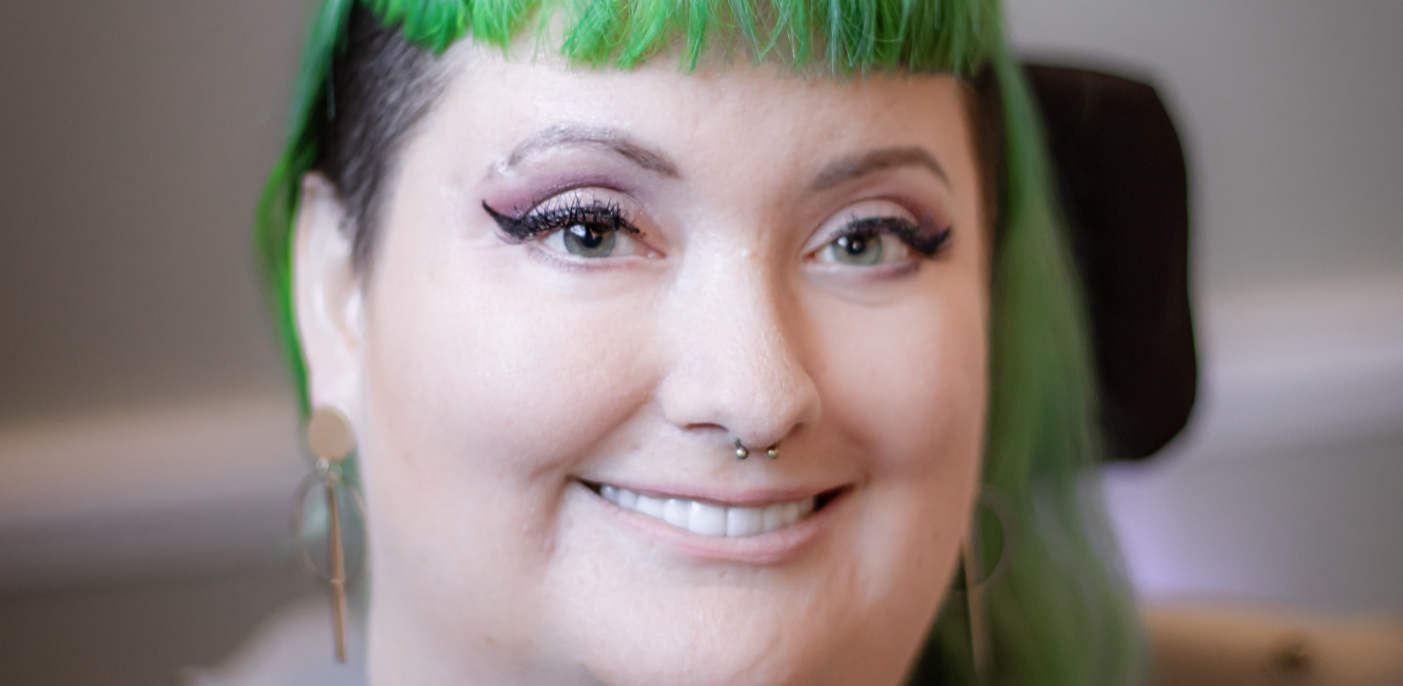
Social worker Ali Ramos helps people, including those living with SMA, to manage mental health challenges. (Courtesy of Ali Ramos)
As a licensed clinical social worker based in Amarillo, Texas, Ali Ramos uses her own experience of living with spinal muscular atrophy (SMA) type 2 to create a safe space for her clients to explore their feelings.
Her personal journey informs the mental health care and advocacy she provides at Ali Ramos Therapy.
Personal experience and professional purpose
SMA has shaped Ramos’ childhood and family life. Her older sister was 4 years old when she passed away from SMA. Ramos was born three years later and diagnosed with SMA at 18 months.
When she was a young adult, she found professional success as a graphic designer and illustrator, which allowed her to work from home. But it also felt isolating.
So Ramos connected with a growing grassroots activism movement led by people with SMA, watching as they used their voices online and in communities to push for greater visibility and change.
“I joined a group called ‘Living With Me’ on Facebook,” she says. “I saw a bunch of other people who have what I have, and they were being politically active. They were making changes.”
Inspired by this community, she returned to school and completed her bachelor’s and master’s degrees in social work.
She then made a decisive shift into advocacy-driven clinical work to better support people facing systemic barriers, including individuals with SMA, and those within the LGBTQIA+ and neurodivergent communities.
Bringing empathy and creativity to therapy
Ramos believes that having lived experience is important when it comes to assessing and treating people with a mental health diagnosis.
“It has definitely allowed me to have way more empathy because I also go through these same types of experiences,” she says. “The infantilizing, the difficulties with medical staff, to the point where they often can invalidate concerns from disabled individuals.”
Her work helps people understand complex healthcare and social systems, which can be difficult for people with disabilities.
“We often kind of talk about different things that have worked for me, things that have worked for them,” she says, drawing on her own life events to help clients find strategies for dealing with stigma.
Ramos also incorporates expressive art and design into therapy by tapping into her background as a graphic designer. She says this creative dimension can provide new ways to process emotions, communicate experiences, and foster healing.
In addition to helping people living with SMA cope with stigma and systemic barriers, Ramos supports people through more personal and practical worries, including planning for when their aging parents may no longer be able to provide care.
“There’s this real tension for people with SMA who see their parents getting older and wonder who will be their advocate, their support, when that time comes,” says Ramos. “They worry they might have to move to a nursing home.”
She guides clients to thoughtfully prepare for these possible transitions, helping them build support networks beyond family and to work through the emotions and practical steps involved.
“It’s a hard conversation,” says Ramos, “but it’s necessary to think about resources, community, and systems that can step in.”
Advocacy and community building
Ramos extends her impact beyond the therapy room, actively dismantling barriers and improving mental health care through SMA advocacy and community leadership.
One of the greatest gaps in care for people living with SMA, she says, is access to intensive mental health support: The physical aspects of SMA are treated while mental health needs are overlooked or dismissed.
“If someone needs to go to a treatment center, more often than not, our disabilities are too layered and complicated for a treatment center to have the proper tools and clinical professionals to know how to navigate us while we have [co-occurruing] diagnoses,” she says.
Affordability is another significant concern for many people with SMA and their families. Ramos understands their financial worries.
A constant concern is about balancing work income and maintaining their insurance, including medications and healthcare assistance. If they lose their insurance, they won’t be able to afford their medical care.
In addition to the financial strain, many of her clients rely heavily on healthcare aides for daily care. These aides provide essential support that helps them maintain their independence and quality of life.
If Ramos could wave a magic wand to improve this aspect of SMA care, she says it would be to pay healthcare aides a living wage.
“If we don’t have that personal care assistance, then we don’t get out of bed. We don’t get meals,” she says, adding, “Our care assistants are the most important part of our days in our lives, and they should be treated as such in government funding.”
Issues like these are deeply personal for Ramos. She has devoted herself to navigating SMA-related challenges to build a life of independence and purpose while helping others do the same.