I give back — with a little help from my friends
Being a volunteer helps me demonstrate how we are better together
Written by |
I love to volunteer. If I see a need that I can meet, I am eager to jump in. And if someone asks me to help with a project or service, I am quick to say yes.
So much of my life with spinal muscular atrophy (SMA) requires me to depend on the kindness of others, so I understand on a deeply personal level how impactful volunteer efforts can be. And it feels incredibly satisfying to be useful to others. It’s a way for me to give back, to show gratitude for all the care I’ve received, and to feel valuable as a contributor and supporter.
But while my heart, mind, and soul are enthusiastically all in, the reality of my weak and limited body makes volunteering complicated. After all, many volunteer efforts require the use of hands, arms, and legs, and even if they don’t, I still need transportation to get to a specific place at a specific time. No matter what I am volunteering to do, I am volunteering someone else to do it with me.
An insecure part of me wrestles with this, feeling like I don’t want to inconvenience or burden someone else with something that’s not essential to my direct care. But it always turns out to be a beautiful thing. The people I ask to join me never regret it. Through the experience, they are often exposed to needs they weren’t aware of before, or ways that they could help that they’d never considered. Occasionally, my driver will bring a book or something to do while they wait, but many times, after they’ve learned about the service activity, they offer to help.

Better together
My favorite kind of volunteering is the kind that utilizes my strongest muscle: my brain. This often looks like after-school tutoring, mentoring, or event coordinating — things I feel 100% capable of doing once I’m on location.
But even if the activity is going to be more intellectual or relational, there are usually aspects of it I cannot do by myself.
I can volunteer at the Sunday school check-in station at church, but I still need help setting up the iPads and laying out new guest information cards. I can do a craft project, but opening little baggies or squeezing tubes of paint can be tricky, and I need someone with better fine motor skills nearby.
I like to clean up and organize library spaces, but my shoulders and arms are too weak to reach up and move books around, so I need a buddy to assist with that, too. When my friend acts as an extension of my hands, feet, arms, and legs, we both learn the beauty of communicating and serving together toward a common goal.
Every once in a while, I can’t resist volunteering for a project that I am clearly not physically qualified to do. Yard cleanups, building renovations, and teen athletic camps are some of the places where I’d probably be more helpful by staying out of the way. And yet, I love being present and engaged! I want to be around the people, pray for them, cheer them on, and see the results of generous, diligent work. In these situations, I recruit one friend (or five friends!) to go with me. In this way, I feel like I’m able to multiply my efforts and contribute much more than I ever could on my own.
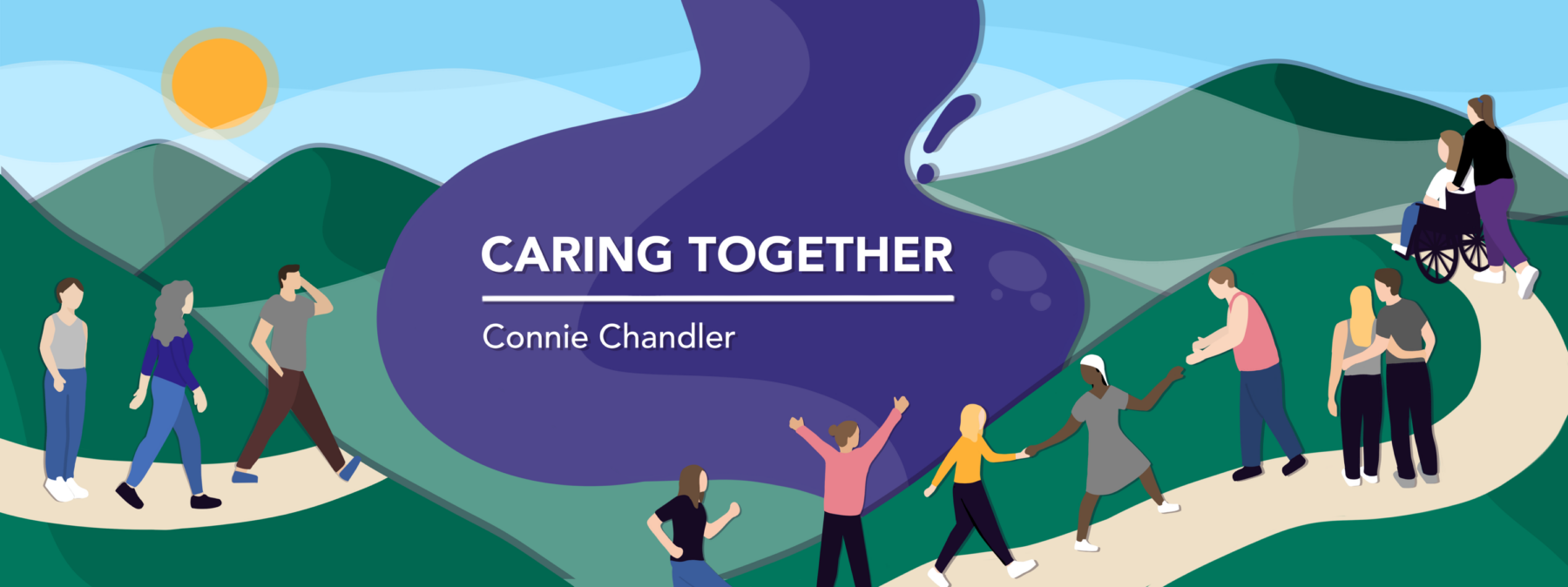
Volunteering isn’t about me. It’s not something to do to make me feel better or to take pride in what I’ve done. It is an opportunity for me to identify and acknowledge the gifts and skills that can really meet a need, whether they are my own or my friends’. It’s a collaboration, a team sport, and another example of just how much we all need each other and how we are better together.
Note: SMA News Today is strictly a news and information website about the disease. It does not provide medical advice, diagnosis, or treatment. This content is not intended to be a substitute for professional medical advice, diagnosis, or treatment. Always seek the advice of your physician or other qualified health provider with any questions you may have regarding a medical condition. Never disregard professional medical advice or delay in seeking it because of something you have read on this website. The opinions expressed in this column are not those of SMA News Today or its parent company, Bionews, and are intended to spark discussion about issues pertaining to spinal muscular atrophy.


Leave a comment
Fill in the required fields to post. Your email address will not be published.