
Targeting protein may help protect heart health in SMA, study says
Increased CCN1 activity may lead to dysfunction of heart cells in SMA patients
Written by |
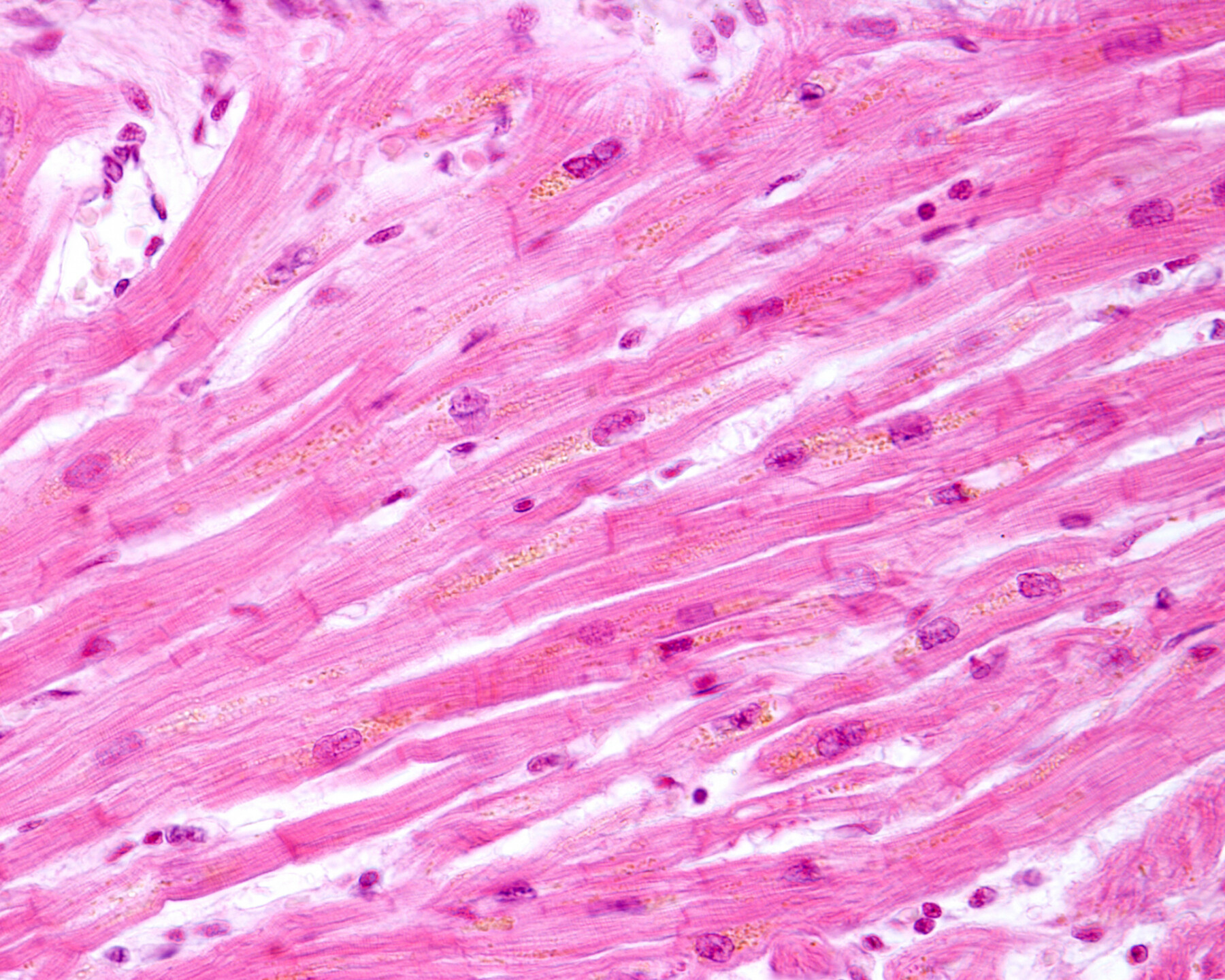
Increased activity of a protein called CCN1 may lead to dysfunction of heart cells in people with spinal muscular atrophy (SMA), a new study shows. (Photo from iStock)
- Patients with SMA experience heart cell dysfunction linked to elevated activity of the CCN1 protein, a study says.
- Combining a CCN1-blocking molecule with standard SMA therapy significantly improves heart cell contractions compared to single treatments.
- The team called for further research into CCN1 as a potential therapeutic target in SMA.
Increased activity of a protein called CCN1 may lead to dysfunction of heart cells in people with spinal muscular atrophy (SMA), a new study shows.
Researchers found that combining a CCN1-blocking molecule with an approved SMA treatment improved heart cell contractions more than either therapy on its own, suggesting that this protein may be an important treatment target to help preserve heart health in people with SMA.
“In this study, we demonstrate that [patient-derived heart cells] are significantly affected in SMA, providing mechanistic insights into disease [biology] and potential avenues for intervention,” the researchers wrote.
The study, “CCN1-mediated stress signaling underlies intrinsic cardiomyocyte dysfunction in spinal muscular atrophy,” was published in Cell Reports. The work was funded by the National Institutes of Health (NIH), the U.S. Department of Defense, the California Institute of Regenerative Medicine, the American Heart Association, and the Spinal Muscular Atrophy Foundation.

Heart health issues a growing concern in SMA
SMA is a genetic disorder marked by deficiency of the protein SMN. Without this protein, motor neurons — the nerve cells that control movement — sicken and die, leading to symptoms like progressive muscle weakness. Several disease-modifying treatments for SMA are available that boost SMN protein levels to preserve motor neuron health and ultimately slow the disease’s progression.
With the advent of these new treatments, people with SMA are now living longer than has ever been possible. And with this increased longevity, researchers are starting to recognize that SMA might not only affect motor neurons, but also potentially other systems within the body. In particular, there’s data suggesting that heart health issues, such as abnormal heart rhythms or heart muscle disease, are fairly common among SMA patients. But exactly what causes these heart health issues remains unclear.
“Although SMA has long been classified as a motor neuron disease, accumulating clinical evidence indicates significant cardiac involvement,” the researchers wrote. These findings “underscore the clinical need for mechanistic investigation,” they noted.

Heart muscle cells from SMA patients displayed impaired contractility
In this study, researchers wanted to better understand how deficiency of the SMN protein affects cardiomyocytes (heart muscle cells). The team used a cell model where blood cells are collected from SMA patients, then biochemically engineered so that they grow into cardiomyocytes that can be studied in lab tests.
The researchers found that, compared with cardiomyocytes derived from healthy people, cardiomyocytes from SMA patients displayed impaired contractility — in other words, the heart muscle cells were less able to do the contraction motions that are needed to keep the heart pumping. This reduction in contractility was accompanied by problems with mitochondria, which are cellular structures key for generating energy.
The team then conducted transcriptomic profiling, where they compared the activity of genes in healthy cardiomyocytes and SMA cells. Results showed that the SMA cells had significantly elevated activity of the gene that provides instructions to make a protein called CCN1 (cellular communication network factor 1). This protein has an established role in heart development and function, but studies in other diseases have suggested that high CCN1 levels can cause problems with heart cell contractions.
Mirroring data from other diseases, the researchers found that increasing CCN1 levels further worsened contractility in SMA cardiomyocytes. Conversely, reducing CCN1 levels by treating the cells with a molecule called tanshinone IIA led to improvements in contractility.
[These data] highlight the importance of looking beyond SMN deficiency in SMA.
The researchers also tested tanshinone IIA in combination with Evrysdi (risdiplam), an approved disease-modifying treatment that boosts SMN protein levels. The combination of these two molecules improved cardiomyocyte contractility more than either on its own.
These data “highlight the importance of looking beyond SMN deficiency in SMA,” the researchers wrote.
“As SMN restoration remains the cornerstone of SMA therapy and significantly extends lifespan, many patients continue to exhibit systemic complications, including fatigue, growth failure, metabolic abnormalities, and now, potentially, cardiac dysfunction. Our data suggest that targeting downstream mediators, such as CCN1, may provide complementary therapeutic benefit,” the researchers concluded.
The team called for further research into CCN1 as a potential therapeutic target in SMA.





Leave a comment
Fill in the required fields to post. Your email address will not be published.