
Study links metabolic flaws in spinal muscles to scoliosis in SMA
Cell analysis finds metabolic abnormalities, pointing to potential research targets
Written by |
- SMA patients with scoliosis show abnormal spinal muscle metabolism.
- These metabolic flaws lead to cellular energy deficiency and muscle fiber dysfunction.
- Metabolic activity in spinal muscles differs between the curved sides.
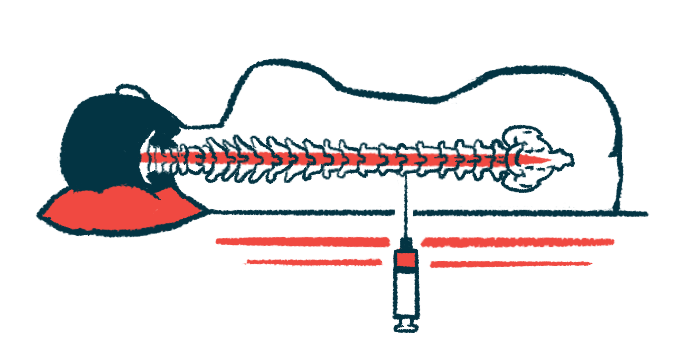
The spinal muscles of spinal muscular atrophy (SMA) patients who also have scoliosis show abnormalities in molecular activity, particularly in biological processes that cells use to metabolize sugar molecules and protein building blocks, according to a study.
The researchers also found that metabolic activity in spinal muscles differs on each side of the curved spine.
“These results define the molecular landscape of SMA muscle imbalance and identify potential metabolic hubs for further research,” scientists wrote in the study, “Multi-Omics Landscape of Paraspinal Muscles in Spinal Muscular Atrophy With Scoliosis,” which was published in the Journal of Cellular and Molecular Medicine.
SMA is a genetic disorder that causes muscle weakness. The disease affects muscles throughout the body, including those in the torso that normally help keep the body upright. Weakness in these muscles can cause many people with SMA to develop scoliosis, a sideways curvature of the spine.

Understanding muscles in SMA
Scientists in China wanted to better understand how paraspinal muscles (the muscles around the spine) are affected in SMA patients with scoliosis. They collected paraspinal muscle samples from 10 people with SMA-related scoliosis who were undergoing spinal surgery. For comparison, they used muscle samples from five people who did not have SMA or scoliosis who were undergoing spinal surgery due to hernias or fractures in the spine.
The researchers analyzed the samples, looking at gene activity as well as levels of proteins and metabolites (small molecules that are created and destroyed as part of biological activity in cells).
These analyses identified more than 5,000 genes whose activity was abnormal in the SMA samples, as well as more than 1,000 proteins and hundreds of metabolites. Looking at all these differences holistically, the researchers found that SMA muscles showed widespread abnormalities in biological processes that cells use to manage two key types of molecules: carbohydrates (sugars used for energy) and amino acids (the building blocks of proteins).
The scientists noted that the combined impairment of the biological pathway cells use to break down glucose (sugar) and of the conversion of amino acids into other molecules involved in carbohydrate use contributes to a deficiency in cellular energy production and to dysfunction in muscle fibers.
The researchers also compared cellular activity on each side of the spine in SMA patients, looking for differences between the side the spine was curved toward and the side it was curved away from. They identified several abnormalities in gene, protein, and metabolite expression, including differences in amino acids, fat metabolism, and inflammation-related molecules.
“SMA is associated with abnormal carbohydrate and amino acid metabolism in paraspinal muscles,” the researchers wrote. “Furthermore, prominent metabolic asymmetries exist between the concave and convex sides of paraspinal muscles in these patients.”
The study’s findings “define the molecular landscape of SMA muscle imbalance and identify potential metabolic hubs for further research,” they concluded.




Leave a comment
Fill in the required fields to post. Your email address will not be published.